
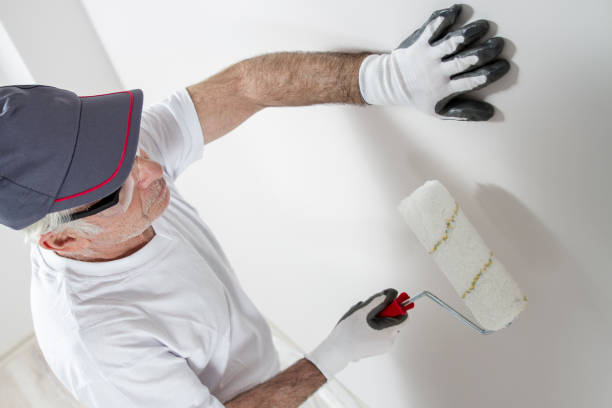
1. High-Quality Results
Professional painters bring years of expertise to ensure a flawless finish. They use premium-quality paints and materials, delivering results that enhance the overall look and durability of painted surfaces.
2. Time Efficiency
Commercial spaces often operate under tight schedules. Professional contractors plan and execute projects efficiently, minimizing disruption to your business operations while adhering to strict deadlines.
3. Cost-Effective Solutions
While hiring a skilled contractor may seem like a larger upfront investment, it saves money in the long run by avoiding costly mistakes and ensuring a longer-lasting paint job.
4. Proper Surface Preparation
Preparing surfaces is crucial to achieving long-lasting results. Professional painters handle every step meticulously, including cleaning, sanding, repairing imperfections, and priming.
5. Access to Specialized Tools and Equipment
From advanced sprayers to scaffolding systems for high ceilings or large walls, professional contractors use proper tools that ensure precision and safety during the painting process.
| Tool/Equipment | Purpose |
| Paint Sprayers | For even application on large surfaces |
| Scaffolding Systems | Safe access to high areas |
| Drop Cloths/Covers | Protect floors & furniture |
| Sanding Machines | Smoothens uneven surfaces |
6. Expert Color Consultation
Professional contractors provide guidance on choosing colors that align with your brand identity or desired ambiance, creating an inviting environment for employees and customers alike.
7. Compliance with Safety Standards
Painting large commercial spaces involves potential hazards like working at heights or handling chemicals. Contractors follow OSHA guidelines and maintain insurance coverage to protect both their team and your property.
8. Durable Finishes
Experienced painters understand how different environments affect paint longevity (e.g., areas with high humidity or heavy foot traffic). They recommend durable coatings suited for each specific condition.
9. Warranty Options
Many reputable painting contractors offer warranties on their services, giving you peace of mind in case any issues arise after the project is completed.
10. Thorough Cleanup Services
Once the job is done, professional contractors handle all aspects of cleanup—removing debris, restoring furniture placement, and ensuring no residual mess disrupts operations in your space.
When it comes to commercial spaces where first impressions matter greatly—such as offices, retail stores, hotels, or healthcare facilities—investing in professional painting services ensures both aesthetic appeal and long-term value for your property while keeping business disruption at a minimum.
Consultation and Project Planning
Professional contractors begin every project with an in-depth consultation to understand your business needs and vision. Services include: – Color consultation: Recommendations on colors that align with your brand identity or enhance the ambiance of the space. – Budget planning: Crafting cost-effective strategies without compromising on quality. – Timeline development: Creating schedules that minimize disruptions to your business operations.
Surface Preparation
Proper preparation is critical for achieving a high-quality finish and ensuring durability. This phase often includes: – Cleaning surfaces to remove dirt, grease, or mold. – Repairing cracks, holes, and surface imperfections using caulking or patching materials. – Sanding surfaces for better paint adhesion.
A well-prepared surface provides the foundation for long-lasting results.
Interior and Exterior Painting
Commercial painting contractors are equipped to handle projects both inside and outside the building: – Interior painting: Includes work on walls, ceilings, trim, doors, and other architectural details. – Exterior painting: Protects against harsh weather while enhancing curb appeal with high-performance coatings.
Specialty Coatings
For certain commercial spaces such as warehouses or healthcare facilities, specialty coatings may be important. Examples include: – Anti-slip coatings for floors. – Waterproof coatings for exteriors. – Anti-microbial paints suited for healthcare environments.
These tailored solutions improve safety, compliance, and durability.
Decorative Painting Services
If branding or atmosphere enhancement is part of your project goals, decorative techniques can be employed: – Wall murals reflecting company history or values. – Faux finishes like woodgrain or metallic effects to elevate design aesthetics.
Ongoing Maintenance Services
To maintain the appearance of your property after initial work is completed, many contractors offer maintenance packages. These typically include touch-ups and periodic inspections for areas prone to wear.
Advantages of Hiring Experts for House Painting in Florida Over DIY
| Aspect | Professional Services | DIY Approach |
| Surface Preparation | Comprehensive including repairs & cleaning | May skip critical prep steps |
| Tools & Equipment | Access to industry-grade tools | Limited tools often leading to delays |
| Quality of Results | Flawless finish using expert techniques | Risk of uneven coverage |
| Time Efficiency | Work completed within agreed timelines | Potential delays due to inexperience |
Commercial painting contractors bring expertise and professionalism at every stage of the process. By leveraging their extensive range of services—not just limited to paint application—you can ensure that your property not only looks great but also remains protected in the long term.
Key Surface Preparation Tips for Quality Painting Services
Proper surface preparation is a critical component of any successful commercial painting project. Neglecting this step can lead to poor adhesion, uneven finishes, or premature paint failure. Below are the key steps involved in preparing a surface for commercial painting, ensuring a durable and professional result.
1. Inspection and Assessment
- Identifying areas with cracks, holes, or structural damage.
- Checking for mold, mildew, or other contaminants that may impact paint adhesion.
- Assessing whether the old paint is peeling or flaking and determining appropriate remedial actions.
This assessment enables contractors to create a plan tailored to the specific needs of the space.
2. Cleaning the Surface
- Pressure washing: Ideal for exterior surfaces like walls and concrete floors.
- Chemical cleaners: Effective for removing oil stains or stubborn residues from interior spaces.
- Manual scrubbing: Useful in smaller areas where pressure washing isn’t feasible.
This ensures that no contaminants compromise the finish quality.
3. Repairing Damaged Areas
- Use filler compounds to patch up holes and cracks.
- Sand rough patches until they are smooth and even with the surrounding surface.
- Replace damaged drywall sections where necessary.
Ignoring repairs can result in an uneven appearance or weak adhesion of paint layers.
4. Sanding and Smoothing
| Material Type | Sanding Approach |
| Drywall | Use fine-grit sandpaper (120–150 grit) |
| Wood | Start with medium-grit (80–100) followed by finer grit (150–180) |
| Metal | Use emery cloths or abrasive pads |
After sanding, wipe down surfaces to remove dust particles before proceeding further.
5. Priming Surfaces
- Oil-based primers: Best suited for wood surfaces and water-prone areas.
- Latex-based primers: Commonly used on drywall due to their quick drying time.
- Stain-blocking primers: Ideal for covering tough stains like grease spots or water damage.
Primers also help neutralize underlying colors when transitioning from dark tones to lighter shades.
6. Masking and Protecting Surroundings
- Cover floors with drop cloths made of canvas or plastic sheeting.
- Mask windows, door frames, electrical fixtures, and trims using painter’s tape.
- Place protective coverings over furniture if it cannot be moved out of the area being painted.
Protective measures streamline cleanup later while maintaining professionalism during execution.
Key Surface Preparation Steps for Commercial Painting
| Step | Purpose | Tools/Materials Needed |
| Inspection & Assessment | Identifies issues requiring attention | Flashlight, notepad |
| Cleaning | Removes contaminants affecting adhesion | Pressure washer/cleaners/scrubbers |
| Repair | Fixes holes/cracks; ensures structural integrity | Fillers/spackles/putty knives |
| Sanding | Smoothens texture; improves adhesion | Sandpaper/emery cloth |
| Priming | Prepares surface; enhances durability | Primer roller/brushes |
| Masking & Protection | Safeguards surrounding elements | Painter’s tape/drop cloths |
By following these meticulous steps during surface preparation, commercial painters ensure long-lasting results that meet aesthetic goals while standing up to wear-and-tear over time. Proper preparation not only contributes significantly to the overall outcome but also reflects professionalism in every project undertaken by experienced contractors.
Expert Painting Techniques to Transform Your Commercial Property
1. Spray Painting for Smooth and Even Coverage
Spray painting is a widely used technique in commercial projects due to its ability to provide seamless coverage across large surfaces. It ensures a consistent application of paint without visible brush or roller marks.
Advantages: – Faster application over expansive areas. – Smooth finish on walls, ceilings, and complex structures. – Ideal for metal frameworks and industrial equipment.
2. Using High-Quality Tools for Precision
Experienced painters rely on specialized tools such as angled brushes, long-handled rollers, and edgers to achieve clean lines and uniform finishes.
Examples of Tools Used: | Tool | Purpose | |———————-|————————————————-| | Angled Brushes | Perfect for corners and intricate details | | Long-handled Rollers | Ideal for high ceilings or hard-to-reach areas | | Paint Edgers | Ensures crisp lines along edges |
These tools help professionals create polished results that meet the aesthetic standards demanded in commercial spaces.
3. Advanced Taping Techniques
Tape is not just about covering edges; it plays a significant role in creating clean designs during multi-color applications or patterned detailing.
Key Benefits of Tape Usage: – Prevents paint bleed along edges. – Allows precise geometric patterns or accent walls. – Enhances the overall visual impact of commercial interiors.
4. Texture Application for Dimensional Appeal
Expert painters can create textured finishes that add depth and interest to otherwise flat walls. Techniques like sponging, rag rolling, or troweling are used depending on the desired look.
Popular Types of Textures: – Knockdown Finish: Provides a stucco-like effect often seen in hotels or restaurants. – Venetian Plaster: Offers a highly polished appearance suitable for luxury spaces. – Sand Paint: Adds subtle grainy texture ideal for modern designs.
These textures not only improve aesthetics but also help hide minor imperfections on surfaces.
5. Color Blending Techniques
For businesses requiring unique branding elements, professional painters use techniques like gradient blending or ombre effects to provide creative solutions tailored to their identity.
Situations Where Color Blending Excels: – Retail stores aiming for vibrant displays. – Corporate offices looking for modern aesthetics. – Restaurants wanting warm transitions between dining zones.
6. Durable Coating Techniques
Commercial properties endure heavy foot traffic, exposure to environmental elements, and general wear-and-tear over time. Professionals apply durable coatings like epoxy paints or polyurethane layers to protect surfaces while maintaining their appearance.
Durable Coating Benefits: 1. Resistance against scratches and abrasions. 2. Protection from moisture damage. 3. Longevity even in high-use environments such as warehouses or manufacturing plants.
Investing in expert painting techniques ensures that your commercial property is both visually appealing and built to withstand daily use challenges over time. With precise execution by professionals who understand the nuances of surface preparation and application methods, your space can be completely transformed into an inviting environment that reflects your brand’s identity efficiently.
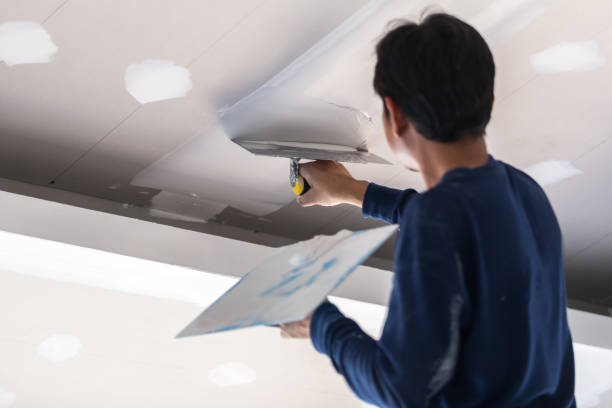
How Color Recommendations from Professional Painters Enhance Commercial Spaces
1. Aligning Colors with Brand Identity
A commercial space often reflects the identity of a business. Professional painters understand the importance of reinforcing branding through strategic color choices. They ensure:
– Consistency with brand logo and visuals: By matching or complementing existing brand colors, they create a cohesive look across physical spaces and marketing materials.
– Color psychology in branding: For example, blue tones convey trust and professionalism, whereas orange denotes creativity and energy — essential considerations for aligning with your target audience’s perspectives.
2. Enhancing Employee Productivity
Colors influence mood and productivity levels within workplace environments. A professional painter takes into account how different hues affect employee performance by recommending colors based on function-specific areas:
– Calm tones (like light blues or greens) for spaces requiring focus or relaxation.
– Energetic shades (such as yellows or oranges) for creative or collaborative zones.
Their insights help create an atmosphere conducive to efficiency while maintaining aesthetic appeal.
| Area Type | Recommended Colors | Effect |
| Office Space | Light blue, soft green | Promotes calmness & focus |
| Break Room | Warm yellow, soft orange | Encourages relaxation & energy |
| Lobby | Neutral gray with accents | Professional yet inviting vibe |
3. Creating an Inviting Customer Experience
For customer-facing businesses like retail stores or restaurants, professional painters provide expert advice on selecting colors that attract customers and encourage positive experiences:
– Warm hues like reds or yellows evoke appetite in restaurants. – Neutral tones with bold accent walls build trust in professional service settings like law firms or clinics. – Bright colors increase engagement in retail environments.
Such tailored recommendations ensure that colors play an active role in influencing customer behavior.
4. Future-Proofing Design Choices
Trends in commercial design change over time, but professional painters balance modern aesthetics with timeless appeal to avoid frequent repaints due to outdated color schemes:
– Neutral bases paired with trend-inspired accents allow easy updates without overhauling entire interiors. – Durable finishes ensure longevity while maintaining visual consistency over time.
By considering both current trends and long-term goals, professionals deliver solutions that remain functional and stylish for years.
5. Addressing Lighting Considerations
Lighting can dramatically alter how paint colors appear within a space — natural versus artificial lighting may shift hues unexpectedly. Professional painters evaluate lighting conditions during consultations to recommend shades that perform well under all scenarios: – Lighter tones amplify natural sunlight. – Darker tones add depth when artificial lighting dominates.
This ensures the intended appearance is achieved irrespective of time of day or external factors.
Hiring experts brings more than just technical skills; it provides access to valuable industry knowledge for making informed decisions about your commercial property’s visual identity through effective use of color. Their thoughtful recommendations result in spaces that are not only visually stunning but also functional and aligned with business objectives.
The Value of Specialty Finishes in Commercial Painting Projects
Specialty finishes play a significant role in elevating the aesthetic appeal, durability, and functionality of commercial spaces. Beyond just adding color to walls, these finishes offer unique textures, styles, and protective qualities that standard paints cannot achieve. Below is a detailed exploration of how specialty finishes can provide value to commercial painting projects.
Key Advantages of Specialty Finishes
- Custom Textures: Options like metallic finishes, stucco textures, or concrete effects can elevate the visual personality of a space.
- Brand Alignment: Specialty finishes can be tailored to match the branding or theme of a business, helping to create a cohesive identity throughout the property.
- Many specialty coatings are designed to withstand high-traffic environments without showing signs of wear and tear.
- These finishes often resist chipping, scratching, and stains better than conventional paints.
- Anti-microbial coatings for healthcare facilities reduce bacterial growth on walls and surfaces.
- Fire-retardant specialty paints enhance safety by slowing the spread of flames during emergencies.
- Reflective coatings improve light efficiency in energy-conscious spaces.
Types of Specialty Finishes Commonly Used for Commercial Spaces
| Finish Type | Primary Features | Best Use Cases |
| Metallic Finishes | Shimmery effect; creates sophistication | Hospitality venues, luxury retail shops |
| Epoxy Coatings | High durability; chemical resistance | Warehouses, laboratories |
| Venetian Plaster | Smooth texture with marble-like appearance | Office lobbies, high-end restaurants |
| Chalkboard Paint | Writable surface with easy cleanup | Cafes, coworking spaces |
| Anti-Graffiti Coatings | Allows easy removal of graffiti | Public-facing storefronts |
Why Businesses Should Consider Specialty Finishes
- Long-Term Cost Efficiency
While specialty finishes may involve higher upfront costs compared to standard paints, their longer lifespan reduces the need for frequent touch-ups or repaints. - Improved Customer Experience
A well-designed commercial space with unique finishes can leave a lasting impression on customers and clients. For example: - Textured walls in retail stores enhance shopping experiences.
- Sleek epoxy floors provide a professional look in industrial settings.
- Environmental Benefits
Some specialty coatings are eco-friendly and low-VOC (volatile organic compounds), making them ideal for businesses committed to sustainability initiatives.
Tips for Choosing the Right Specialty Finish
- Assess Your Space’s Needs: Consider traffic levels, environmental exposure (e.g., humidity or direct sunlight), and functional requirements when selecting a finish.
- Consult Professionals: Professional painters have extensive knowledge regarding which materials work best for specific industries.
- Test Before Commitment: Apply samples on small sections to see how lighting impacts texture and color.
By incorporating specialty finishes into your next commercial painting project, you can achieve both practical benefits and an elevated visual appeal that reflects your business’s unique identity.
Importance of Surface Protection During Commercial Painting Jobs
Protecting surfaces during a commercial painting project is a critical aspect of ensuring a successful outcome. Proper surface protection not only saves time and money but also prevents potential damage to surrounding areas, fixtures, and furniture. Professional painters prioritize this step to deliver high-quality results while maintaining the integrity of the commercial property.
Key Reasons for Surface Protection
- Minimizing Damage: Protecting floors, windows, and fixtures prevents accidental paint splatters, drips, or scratches. Without it, cleanup can become time-consuming and costly.
- Preserving Assets: Businesses invest heavily in interior design elements like carpets, furniture, and equipment. Shielding these items from paint ensures their longevity and functionality.
- Enhancing Efficiency: A well-protected workspace allows painters to focus entirely on delivering precise results without worrying about unintended spills or messes.
Common Methods Used for Surface Protection
- Durable drop cloths are laid over floors and large furniture pieces.
- Plastic sheeting is used to cover walls or ceilings when only specific areas need painting.
- Applied along edges of trim, door frames, baseboards, and windows.
- Ensures crisp lines while preventing paint bleed onto unpainted areas.
- Temporary barriers or partitions may be installed in commercial spaces with high traffic to keep employees or clients away from wet paint areas.
- Heavy-duty paper or cardboard mats are often used to protect flooring from spills and scuffs caused by ladders or equipment.
Materials Commonly Used for Protection
| Material | Purpose | Benefits |
| Drop Cloths | Covers large surfaces | Reusable and eco-friendly |
| Plastic Sheeting | Protects walls & furniture | Lightweight; water-resistant |
| Painter’s Tape | Keeps edges clean | Easy removal without damaging surfaces |
| Cardboard Mats | Shields flooring from heavy tools | Reinforced; absorbs impacts |
How Professionals Ensure Proper Surface Protection
- Conduct an initial walkthrough of the site to identify vulnerable areas requiring safeguarding.
- Communicate with clients about which items (e.g., artwork or electronics) should be moved out of the workspace.
- Use high-quality protective materials designed specifically for commercial environments.
- Regularly inspect protective coverings throughout the project duration to ensure they remain intact.
The Impact of Neglecting Surface Protection
Failure to protect surfaces can result in:
– Stained carpets or upholstery that may require expensive cleaning services. – Damaged fixtures such as light fittings or handles needing replacement. – Frustration among building occupants due to avoidable messes that disrupt daily activities.
By prioritizing surface protection during commercial painting projects, contractors demonstrate professionalism while ensuring durable outcomes that meet client expectations effectively.
Post-Painting Cleanup: Why It’s Critical in Commercial Painting Projects
Post-painting cleanup is an integral part of any commercial painting project. It ensures that the space is ready for immediate use, maintains a professional appearance, and guarantees the safety of employees and visitors. A thorough cleanup process goes beyond aesthetic benefits to address functional and environmental considerations. Let’s explore why post-painting cleanup is critical and what it typically entails.
Enhances Professional Appeal
After investing time and resources into a commercial painting project, the last thing you want is a space filled with dust, leftover paint, or plastic covers. A clean, polished finish reflects professionalism and leaves a positive impression on clients, tenants, or employees.
Prevents Potential Hazards
Leftover debris like paint cans, tape, tarps, or dried paint spills can create trip hazards or interfere with daily operations. Proper cleanup eliminates these potential risks. Additionally:
– Cleaning up toxic materials like solvents ensures compliance with safety standards. – Removing residue from areas such as floors prevents slips and falls.
Environmental Responsibility
Disposing of waste properly aligns with environmental regulations and demonstrates corporate responsibility. Many commercial painters use eco-friendly practices during cleanup to minimize environmental impact. This may include:
– Recycling empty paint cans when possible.
– Disposing of hazardous materials in compliance with local regulations.
Typical Post-Painting Cleanup Tasks
| Task | Description |
| Removing Protective Covers | Carefully removing plastic sheets or drop cloths without spreading dust or debris. |
| Scraping Paint Residue | Cleaning up dried drips or splatters from unintended surfaces like windows or floors. |
| Vacuuming & Dust Removal | Eliminating sanding dust from baseboards, ceilings, and furniture surfaces. |
| Disposal of Materials | Properly discarding used brushes, rollers, tape, cans, and other materials. |
Benefits of Hiring Professionals for Cleanup
- Time-Saving: Skilled teams complete the task efficiently without disrupting operations.
- Specialized Tools: Professionals use industrial-grade vacuums, chemical cleaners, and tools designed for delicate surfaces.
- Thoroughness: Contractors ensure no spots are missed—even hard-to-reach areas receive attention.
Additional Considerations
For businesses operating in sensitive environments—such as healthcare facilities or food processing plants—post-painting cleanup may involve extra precautions like sanitization to meet industry-specific requirements. Professional contractors understand these nuances better than untrained personnel.
By prioritizing post-project cleaning as much as the painting itself, businesses can enjoy a seamless transition back to regular activities while preserving the quality of their newly painted spaces.
- The Benefits of Choosing a Florida Painting Company for Your Commercial Projects
- How to Choose Between DIY and Professional Services for House Painting Florida Projects
- Why Hiring a Florida Painting Company Is Essential for Your Business
- Advantages of Hiring Experts for House Painting Florida Businesses
- Choosing the Best Painting Services: DIY vs. Professional
- Top 10 Benefits of Hiring Professional Painters Florida for Commercial Spaces
- 10 Benefits of Hiring Professional Painters Florida Residents Trust
- Professional Advice from a Florida Painting Company: DIY vs. Expert Interior Painting for Commercial Spaces
- The Benefits of Hiring Professional Painters Florida for Commercial Projects Over DIY